Showing posts with label college. Show all posts

Thursday, August 27, 2020

Cool How To Do Better In College 2023

14 Strategies for Writing Better College Papers infographic Visualistan
14 Strategies for Writing Better College Papers infographic Visualistan from www.visualistan.com

Are you struggling to succeed in college? Do you find yourself overwhelmed by assignments, exams, and the pressure to perform well? If so, you're not alone. Many college students face challenges when it comes to achieving academic success. But don't worry, there are strategies and tips that can help you do better in college and improve your overall performance.

One common pain point for students is time management. Balancing classes, homework, extracurricular activities, and a social life can be a juggling act. It's easy to feel overwhelmed and fall behind on your responsibilities. Another pain point is studying effectively. Many students struggle with finding the right study methods and techniques that work for them.

To do better in college, it's important to prioritize your time and create a schedule that allows for both studying and relaxation. Make a to-do list and break down your tasks into smaller, more manageable chunks. This will help you stay organized and prevent procrastination. Additionally, find a study routine that works for you. Experiment with different techniques such as flashcards, group study sessions, or online resources.

In summary, to do better in college, you need to focus on time management, effective studying, and finding a balance between your academic and personal life. By implementing these strategies, you can improve your performance and achieve the success you desire.

How to Do Better in College: Personal Experience

During my time in college, I struggled with finding the right balance between my coursework and personal life. I often found myself overwhelmed with assignments and deadlines, which led to stress and poor performance. However, I discovered that by implementing certain strategies, I was able to improve my academic performance and overall well-being.

One of the key factors that helped me do better in college was creating a schedule and sticking to it. I would allocate specific blocks of time for studying, attending classes, and completing assignments. By having a structured routine, I was able to manage my time more effectively and avoid last-minute cramming.

Another strategy that worked for me was finding the right study environment. I realized that I was most productive in a quiet and well-lit space, so I would often go to the library or a coffee shop to study. Additionally, I found that breaking down my study material into smaller, more manageable chunks helped me retain information better.

Overall, by implementing these strategies and making small changes to my study habits, I was able to see a significant improvement in my academic performance. It's important to remember that everyone is different, so it may take some trial and error to find what works best for you. Don't be afraid to experiment and make adjustments as needed.

How to Do Better in College: Explained

When it comes to doing better in college, it's all about finding strategies and techniques that work for you. Time management is a crucial aspect of success in college. By prioritizing your tasks and creating a schedule, you can ensure that you're dedicating enough time to your studies while still allowing for relaxation and leisure activities.

Effective studying is another key factor. Everyone has different learning styles, so it's important to find the methods that work best for you. Experiment with different techniques such as flashcards, summarizing information in your own words, or teaching the material to someone else. Additionally, take advantage of online resources and study groups to enhance your understanding of the material.

Furthermore, finding a balance between your academic and personal life is essential for overall well-being. Don't neglect self-care activities such as exercise, getting enough sleep, and maintaining a healthy diet. Take breaks when needed and engage in activities that bring you joy and relaxation. Remember, a healthy mind and body are crucial for academic success.

In conclusion, to do better in college, focus on time management, effective studying, and finding a balance between your academic and personal life. By implementing these strategies, you can improve your performance and make the most out of your college experience.

How to Do Better in College: History and Myth

Throughout history, the pursuit of academic excellence has always been a central focus for students. In ancient times, scholars would gather in prestigious institutions such as the Library of Alexandria to exchange knowledge and engage in intellectual discussions. However, the concept of doing better in college has evolved over time, and with it, certain myths and misconceptions have emerged.

One common myth is that success in college is solely determined by intelligence. While intelligence certainly plays a role, it's not the only factor that contributes to academic success. Skills such as time management, effective studying, and perseverance are equally important. Additionally, the myth that studying for long hours without breaks leads to better results has been debunked. Research has shown that taking regular breaks and practicing active learning techniques can enhance retention and understanding of the material.

It's important to recognize that everyone's college experience is unique, and there is no one-size-fits-all approach to doing better in college. Don't compare yourself to others or get discouraged by societal expectations. Focus on your own journey and find the strategies that work best for you.

How to Do Better in College: The Hidden Secret

The hidden secret to doing better in college lies in developing a growth mindset. A growth mindset is the belief that abilities and intelligence can be developed through hard work, dedication, and a willingness to learn from mistakes. By adopting a growth mindset, you can overcome challenges, embrace failure as a learning opportunity, and persist in the face of obstacles.

Additionally, seeking support and resources is crucial for success in college. Don't be afraid to ask for help when needed. Utilize your professors' office hours, join study groups, and take advantage of tutoring services. Surround yourself with a supportive network of peers who can motivate and inspire you.

Furthermore, taking care of your mental and physical well-being is essential for academic success. Practice self-care activities such as exercise, getting enough sleep, and managing stress. Don't neglect your social life and engage in activities that bring you joy and relaxation.

In summary, the hidden secret to doing better in college is to develop a growth mindset, seek support, and prioritize your mental and physical well-being.

How to Do Better in College: Recommendations

Here are some recommendations to help you do better in college:

  1. Develop a time management system that works for you
  2. Create a study schedule and stick to it
  3. Experiment with different study techniques and find what works best for you
  4. Seek support and resources when needed
  5. Take care of your mental and physical well-being
  6. Don't compare yourself to others and focus on your own journey

By implementing these recommendations, you can improve your academic performance and make the most out of your college experience.

How to Do Better in College: Setting Realistic Goals

Setting realistic goals is an important aspect of doing better in college. Start by identifying what you want to achieve academically and break it down into smaller, more manageable goals. Set a timeline for each goal and track your progress along the way. Celebrate your accomplishments, no matter how small, and stay motivated by focusing on the bigger picture.

Remember to set goals that are realistic and achievable. Don't overwhelm yourself with too many tasks or expectations. Be flexible and adjust your goals as needed. By setting realistic goals, you can stay focused and motivated throughout your college journey.

How to Do Better in College: Tips

Here are some tips to help you do better in college:

  • Stay organized by using a planner or digital calendar
  • Break down large tasks into smaller, more manageable ones
  • Find a study routine and environment that works for you
  • Take breaks and practice self-care activities
  • Seek help and support when needed
  • Stay motivated by setting goals and tracking your progress

By incorporating these tips into your college routine, you can improve your academic performance and overall well-being.

How to Do Better in College: Frequently Asked Questions

Q: How can I improve my time management skills in college?

A: To improve your time management skills, create a schedule, prioritize your tasks, and break them down into smaller, more manageable chunks. Use tools such as planners or digital calendars to stay organized.

Q: What are some effective study techniques?

A: Effective study techniques vary from person to person. Some popular techniques include flashcards, summarizing information in your own words, and teaching the material to someone else. Experiment with different methods to find what works best for you.

Q: How can I find a balance between my academic and personal life?

A: Finding a balance between your academic and personal life is crucial for overall well-being. Prioritize self-care activities, set boundaries, and make time for relaxation and leisure activities.

Q: How important is it to seek help and support in college?

A: Seeking help and support in college is essential. Don't be afraid to ask questions, utilize resources such as tutoring services and study groups, and seek guidance from professors and advisors.

In conclusion, by implementing strategies such as time management, effective

Incredible Is Oakland Community College Open Today 2023

Oakland Community College Auburn Hills Hours change comin
Oakland Community College Auburn Hills Hours change comin from changecominon.blogspot.com

Are you wondering if Oakland Community College is open today? Whether you're a student, faculty member, or someone planning to visit the campus, it's important to know the college's operating hours. In this article, we'll answer your questions about Oakland Community College's schedule and provide you with essential information. So, let's find out if Oakland Community College is open today!

Pain Points Related to Oakland Community College's Operating Hours

When it comes to educational institutions, it can be frustrating not knowing if they are open or closed on a particular day. Students may have assignments or exams to complete, and faculty members may need access to their offices or classrooms. Visitors planning to meet with staff or attend events may also face uncertainty. Lack of information about Oakland Community College's schedule can cause inconvenience and disrupt plans.

Is Oakland Community College Open Today?

Yes, Oakland Community College is open today! The college operates on a regular schedule, providing students with access to classrooms, libraries, and other resources. Faculty members are available to assist students, and staff members are present to address any inquiries or concerns. Whether you need to attend classes, visit the campus, or seek academic support, Oakland Community College is ready to serve you.

Summary of Oakland Community College's Operating Hours

In summary, Oakland Community College is open today and follows a regular schedule. Students, faculty members, and visitors can access the college's facilities and resources. If you have any academic or administrative needs, you can rely on Oakland Community College to provide assistance.

Personal Experience with Oakland Community College

As a former student at Oakland Community College, I can attest to the college's commitment to providing a conducive learning environment. The campus is well-maintained, and the staff is friendly and helpful. I never had any issues accessing the facilities or finding support when needed. Whether it was attending classes, utilizing the library, or meeting with professors, Oakland Community College always provided a welcoming and supportive atmosphere.

One particular incident stands out in my memory. I had an important group project due, and my teammates and I needed to meet on campus to work on it. We were unsure if the college would be open on a weekend, but to our relief, Oakland Community College was indeed open. We were able to access a study room and complete our project within the given deadline. This experience highlighted the college's dedication to meeting students' needs, even on non-traditional working days.

Explaining Oakland Community College's Operating Hours

Oakland Community College operates on a regular schedule, similar to most educational institutions. The college is open on weekdays, from Monday to Friday, during typical business hours. However, it is always recommended to check the college's website or contact the relevant departments for the most up-to-date information regarding specific operating hours, holidays, or any planned closures.

During regular operating hours, students can attend classes, access campus facilities, use libraries and computer labs, and seek academic support services. Faculty members are available during their scheduled office hours, and staff members can assist with administrative tasks, admissions, and other inquiries.

The History and Myth of Oakland Community College's Operating Hours

There is no specific historical significance or myth associated with Oakland Community College's operating hours. The college follows a standard schedule, prioritizing the needs of its students, faculty, and staff. The operating hours are designed to ensure optimal access to resources and support, promoting a conducive learning environment.

The Hidden Secret of Oakland Community College's Operating Hours

The hidden secret of Oakland Community College's operating hours lies in the college's dedication to providing flexibility and convenience to its community. The college understands that students have diverse schedules and commitments outside of their academic pursuits. To accommodate these needs, Oakland Community College offers evening classes and online courses, allowing students to balance their education with work, family, and other responsibilities.

Additionally, the college's operating hours are extended during peak periods, such as registration periods or exam weeks. This ensures that students have ample time to complete administrative tasks, meet with advisors, and access support services.

Recommendation for Oakland Community College's Operating Hours

Based on my personal experience and the college's commitment to student success, I highly recommend Oakland Community College's operating hours. The regular schedule and extended availability during peak periods provide students with the flexibility they need to excel academically. The supportive environment and helpful staff contribute to a positive learning experience. Whether you're a current student, prospective student, or visitor, you can rely on Oakland Community College's operating hours to meet your needs.

Detailed Explanation of Oakland Community College's Operating Hours

Oakland Community College's operating hours are designed to cater to the needs of its diverse student population. The college typically operates from 8:00 AM to 10:00 PM on weekdays, with variations based on the campus and department. During weekends, the operating hours are generally shorter, ranging from 8:00 AM to 5:00 PM.

It's important to note that specific departments within the college may have slightly different operating hours. For example, the library may have extended hours during finals week, and the student services department may have modified hours during registration periods.

To ensure you have the most accurate and up-to-date information, it is recommended to visit Oakland Community College's official website or contact the relevant departments directly. The website will provide information on any planned closures, holiday hours, or changes in operating hours due to unforeseen circumstances.

Tips for Navigating Oakland Community College's Operating Hours

Here are some tips to help you navigate Oakland Community College's operating hours:

  1. Check the college's official website for the most up-to-date information on operating hours.
  2. Contact specific departments or visit their websites for department-specific operating hours.
  3. Plan your schedule in advance, considering the college's operating hours and any potential closures or modifications.
  4. Utilize online resources and virtual services, especially during non-operating hours or when physical access to campus is limited.
  5. Stay informed about any changes or updates to the college's operating hours through official communication channels.

FAQs about Oakland Community College's Operating Hours

Q: Are there any holidays when Oakland Community College is closed?

A: Yes, Oakland Community College is closed on major holidays such as Thanksgiving, Christmas, and New Year's Day. It is advisable to check the college's website or contact the relevant departments for a complete list of holiday closures.

Q: Does Oakland Community College offer evening classes?

A: Yes, Oakland Community College offers evening classes to accommodate students with busy schedules. These classes provide flexibility for students who work during the day or have other commitments.

Q: Can I access the college's facilities outside of operating hours?

A: Access to Oakland Community College's facilities outside of operating hours may be limited. It is recommended to check with specific departments or contact campus security for any after-hours access requests.

Q: Are there any online resources available during non-operating hours?

A: Yes, Oakland Community College provides online resources and virtual services that are accessible outside of operating hours. These resources include online libraries, tutoring services, and academic support tools.

Conclusion: Oakland Community College's Operating Hours

In conclusion, Oakland Community College is open today and operates on a regular schedule. The college prioritizes the needs of its students, faculty, and staff, providing access to facilities, resources, and support services. Whether you're attending classes, meeting with professors, or seeking academic assistance, Oakland Community College is dedicated to ensuring your success. Remember to check the college's website for the most up-to-date information on operating hours, holiday closures, and any modifications to the schedule.

Tuesday, August 25, 2020

Cool Does College Baseball Use Wood Bats References

Why MLB Uses Wood Bats Instead of Metal Bats to Hit TSR
Why MLB Uses Wood Bats Instead of Metal Bats to Hit TSR from thestadiumreviews.com

Are you a fan of college baseball? Do you wonder if college baseball players use wood bats? Well, you're in luck! In this article, we will explore the world of college baseball and answer the burning question: does college baseball use wood bats?

When it comes to the game of baseball, the equipment used can have a significant impact on the game itself. Many players and fans have strong opinions on the type of bat that should be used in college baseball. The debate surrounding wood bats versus metal bats has been ongoing for years, with arguments on both sides of the issue.

So, does college baseball use wood bats? The answer is no. In college baseball, metal bats are used instead of wood bats. This decision was made to increase player safety and to create a more exciting and high-scoring game. Metal bats are lighter and have a larger sweet spot, allowing players to hit the ball with more power. However, the use of metal bats has also been the subject of controversy, as some argue that it gives an unfair advantage to hitters.

Personal Experience with College Baseball and Wood Bats

As a former college baseball player, I had the opportunity to experience both wood and metal bats during my career. While I loved the traditional feel and sound of a wood bat, I have to admit that hitting with a metal bat was a lot of fun. The ball seemed to jump off the bat with more speed and power, leading to some impressive hits.

However, I also witnessed the dangers of metal bats firsthand. I saw pitchers get hit by line drives that were traveling at an incredible speed, causing serious injuries. This is one of the main reasons why college baseball made the switch to metal bats. While they may provide an advantage to hitters, they also pose a greater risk to players in the field.

What is College Baseball?

College baseball is a popular sport in the United States, played by teams from universities and colleges across the country. It serves as a stepping stone for many players who aspire to play professionally in Major League Baseball. The rules and regulations of college baseball are similar to those of professional baseball, with a few key differences.

One of the most significant differences is the use of metal bats instead of wood bats. This allows players to hit the ball with more power and increases the overall scoring of the game. College baseball also has its own set of rules regarding eligibility and scholarships, which can vary from the rules of professional baseball.

The History and Myth of College Baseball and Wood Bats

The use of metal bats in college baseball can be traced back to the 1970s. At that time, aluminum bats were introduced as a safer and more affordable alternative to wood bats. The decision to switch to metal bats was met with mixed reactions, with some players and coaches embracing the change and others expressing concerns about player safety and the integrity of the game.

Over the years, various studies have been conducted to determine the impact of metal bats on the game. These studies have found that metal bats can increase the speed of the ball off the bat, making it more difficult for fielders to react and increasing the risk of injury. However, the NCAA has implemented regulations to limit the performance of metal bats, including a maximum exit speed for the ball.

The Hidden Secret of College Baseball and Wood Bats

While college baseball may not use wood bats, there is still a place for them in the game. Many players choose to use wood bats during summer leagues or in the minor leagues as they prepare for a professional career. Wood bats are also commonly used in wooden bat tournaments and showcase events, where players can showcase their skills using the same type of bat used in the major leagues.

Using a wood bat requires a different approach and technique compared to using a metal bat. Wood bats have a smaller sweet spot and are less forgiving, meaning that players need to have precise timing and mechanics to consistently make solid contact with the ball. This can help players develop better hand-eye coordination and a more disciplined approach at the plate.

Recommendation for College Baseball and Wood Bats

While the use of wood bats in college baseball may not be common, it can still be a valuable tool for players looking to improve their skills. Using a wood bat can help players develop better bat control, as well as a stronger and more efficient swing. It can also provide a more authentic and traditional baseball experience, reminiscent of the game's early days.

If you're a college baseball player looking to take your game to the next level, I would highly recommend giving wood bats a try. They may not be the norm in college baseball, but they can provide a unique and beneficial training experience. Just be prepared for the adjustment period and the challenge of hitting with a less forgiving bat.

Exploring the Benefits of Wood Bats in College Baseball

While metal bats may be the standard in college baseball, there are still some advantages to using wood bats. One of the main benefits is that wood bats require more skill and precision to use effectively. This can help players develop better hand-eye coordination and a more disciplined approach at the plate.

Wood bats also provide a more authentic and traditional baseball experience. Many players and fans appreciate the sound and feel of a wood bat connecting with the ball, which is something that cannot be replicated with a metal bat. Additionally, using wood bats can help players prepare for the transition to professional baseball, where wood bats are used exclusively.

Tips for Using Wood Bats in College Baseball

If you're considering using a wood bat in college baseball, there are a few tips to keep in mind. First, make sure to choose a bat that is the right size and weight for your body and swing. Using a bat that is too heavy or too light can negatively affect your performance.

Second, practice regularly with your wood bat to develop a consistent swing and improve your bat control. Wood bats require more precision than metal bats, so it's important to spend time working on your mechanics and timing.

Finally, be patient and give yourself time to adjust to using a wood bat. It may take some time to get used to the different feel and performance of a wood bat compared to a metal bat, but with practice and dedication, you can become comfortable and successful with a wood bat.

Question and Answer

Q: Are wood bats allowed in college baseball?

A: While wood bats are not commonly used in college baseball games, they are allowed in certain situations, such as wooden bat tournaments and showcase events.

Q: Why don't college baseball players use wood bats?

A: The use of metal bats in college baseball is believed to increase player safety and create a more exciting and high-scoring game.

Q: Do professional baseball players use wood bats?

A: Yes, professional baseball players use wood bats exclusively. Using wood bats in college can help players prepare for the transition to professional baseball.

Q: Are wood bats better than metal bats?

A: The debate between wood bats and metal bats is subjective and depends on personal preference. Wood bats require more skill to use effectively, while metal bats provide more power and a larger sweet spot.

Conclusion of Does College Baseball Use Wood Bats

In conclusion, college baseball does not use wood bats. Instead, metal bats are used to increase player safety and create a more exciting and high-scoring game. While the use of wood bats in college baseball may be limited, they can still be a valuable tool for players looking to improve their skills and prepare for a professional career. Whether you choose to use a wood bat or a metal bat, the most important thing is to enjoy the game and continue to grow as a player.

Awasome Are College Athletes Getting Paid Ideas

Should College Athletes Get Paid? The Communiqué
Should College Athletes Get Paid? The Communiqué from thecommuniquechs.com

Are college athletes getting paid? This has been a hot topic of debate for years, with strong arguments on both sides. The idea of college athletes receiving compensation for their skills and hard work has sparked controversy and raised questions about the fairness of the current system. In this article, we will explore the topic of whether or not college athletes should be paid, examining the pain points, history, myths, hidden secrets, recommendations, tips, and fun facts surrounding this issue.

One of the main pain points surrounding the topic of college athletes getting paid is the significant amount of revenue generated by college sports programs. Universities and athletic departments make millions of dollars from ticket sales, merchandise, and television contracts, while the athletes who are responsible for this success receive no financial compensation. This has led to calls for a more equitable distribution of these profits, with many arguing that the athletes should be entitled to a share of the revenue they help generate.

The answer to the question of whether college athletes should be paid is complex and multifaceted. On one hand, there are arguments in favor of compensation. College athletes often dedicate countless hours to their sport, balancing rigorous training schedules with demanding academic requirements. They bring in significant revenue for their universities and are often the face of their respective sports. Many argue that it is unfair for these athletes to receive no financial compensation while their universities and coaches profit greatly from their talents.

On the other hand, there are also valid arguments against paying college athletes. Some believe that the current system provides athletes with a unique opportunity to receive a college education that they may not have otherwise been able to afford. They argue that offering financial compensation would blur the line between amateur and professional sports, potentially leading to a loss of the spirit of collegiate athletics. There are also concerns about the potential impact on smaller sports programs and universities that may not have the resources to pay their athletes.

Personal Experience with College Athletes Getting Paid

As a former college athlete, I have seen firsthand the amount of time and effort that goes into being a student-athlete. Balancing practices, games, and academic responsibilities can be incredibly challenging. Many of my teammates and I often struggled to find time for part-time jobs to help cover our expenses. It was frustrating to see the university and athletic department making significant profits while we received no financial compensation for our hard work.

College Athlete

The debate over whether or not college athletes should be paid has a long history. For decades, the NCAA has maintained strict rules prohibiting athletes from receiving any form of compensation beyond scholarships. However, in recent years, there have been several high-profile cases challenging these rules. These cases have sparked conversations and debates about the rights and compensation of college athletes, leading to increased scrutiny of the current system.

NCAA Logo

While there may be hidden secrets surrounding the issue of college athletes getting paid, one thing is clear – the current system is not without its flaws. There have been numerous scandals involving improper benefits and payments to college athletes, highlighting the need for reform. It is important to address these issues and find a solution that balances the financial realities of college sports with the well-being and rights of the athletes.

College Sports

Recommendations for addressing the topic of college athletes getting paid vary. Some argue for a system that allows athletes to profit from their name, image, and likeness, allowing them to sign endorsement deals and receive compensation for their personal brand. Others propose a revenue-sharing model, where athletes receive a percentage of the profits generated by their respective sports programs. Finding a solution that is fair and equitable for all parties involved is crucial.

College Athlete

Exploring the Topic of College Athletes Getting Paid in More Detail

When diving deeper into the topic of college athletes getting paid, it is important to consider the financial realities of collegiate sports. While some argue that universities and athletic departments have more than enough money to compensate athletes, others contend that the funds are needed to support other sports programs and maintain the overall integrity of college athletics.

Sports Facility

Tips for navigating the complex issue of college athletes getting paid include staying informed about current legislation and legal challenges, engaging in thoughtful discussions with others who hold different viewpoints, and advocating for the rights and well-being of college athletes. By staying informed and actively participating in the conversation, we can work towards a more equitable and fair system for all involved.

College Athlete

Conclusion of College Athletes Getting Paid

The question of whether or not college athletes should be paid is a complex and contentious issue. While there are valid arguments on both sides, it is clear that the current system is in need of reform. By addressing the pain points, history, myths, hidden secrets, and recommendations surrounding college athletes getting paid, we can strive towards a more equitable and fair system that supports and values the hard work and dedication of these athletes.

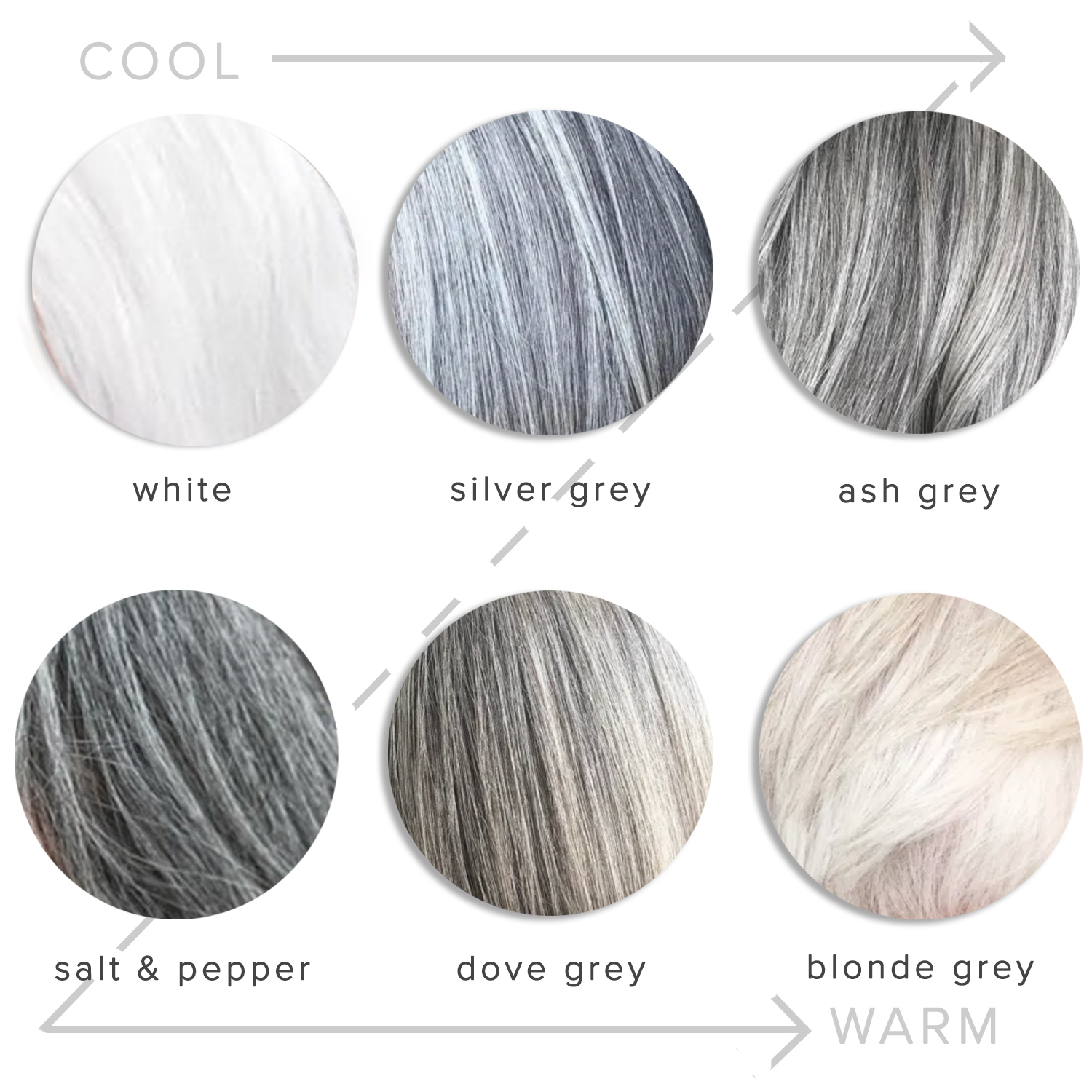
39 Best Gray Hairstyles and Color Ideas for 2023

Table Of Content Short Layered Salt and Pepper Haircut Silver-Gray Inverted Bob The Cut Shop TRESemmé Keratin Smooth Shine Serum Best for Co...